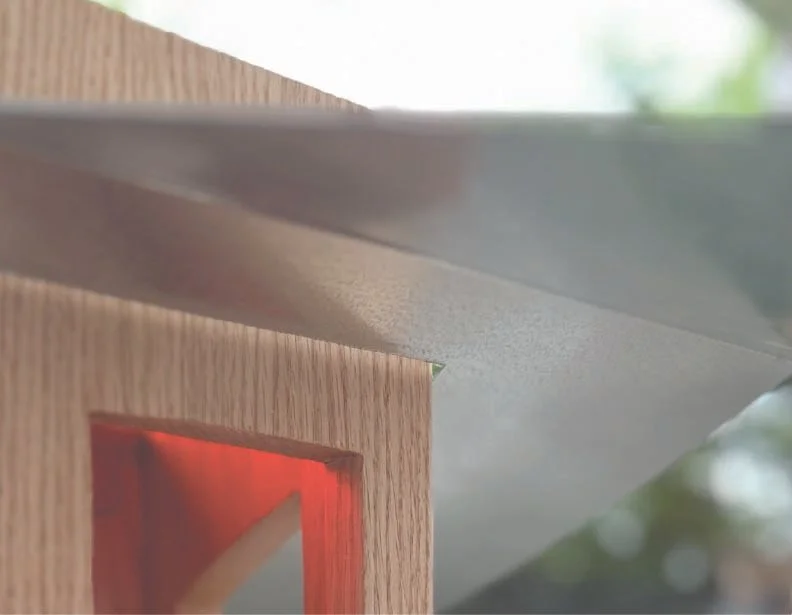
The Buddy Stool
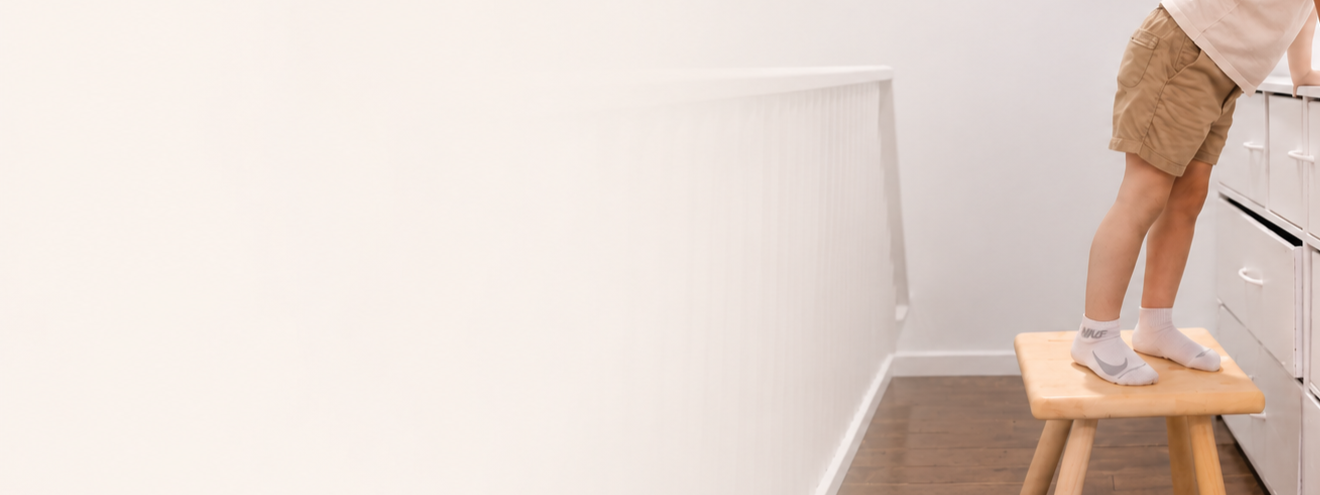
THE USER
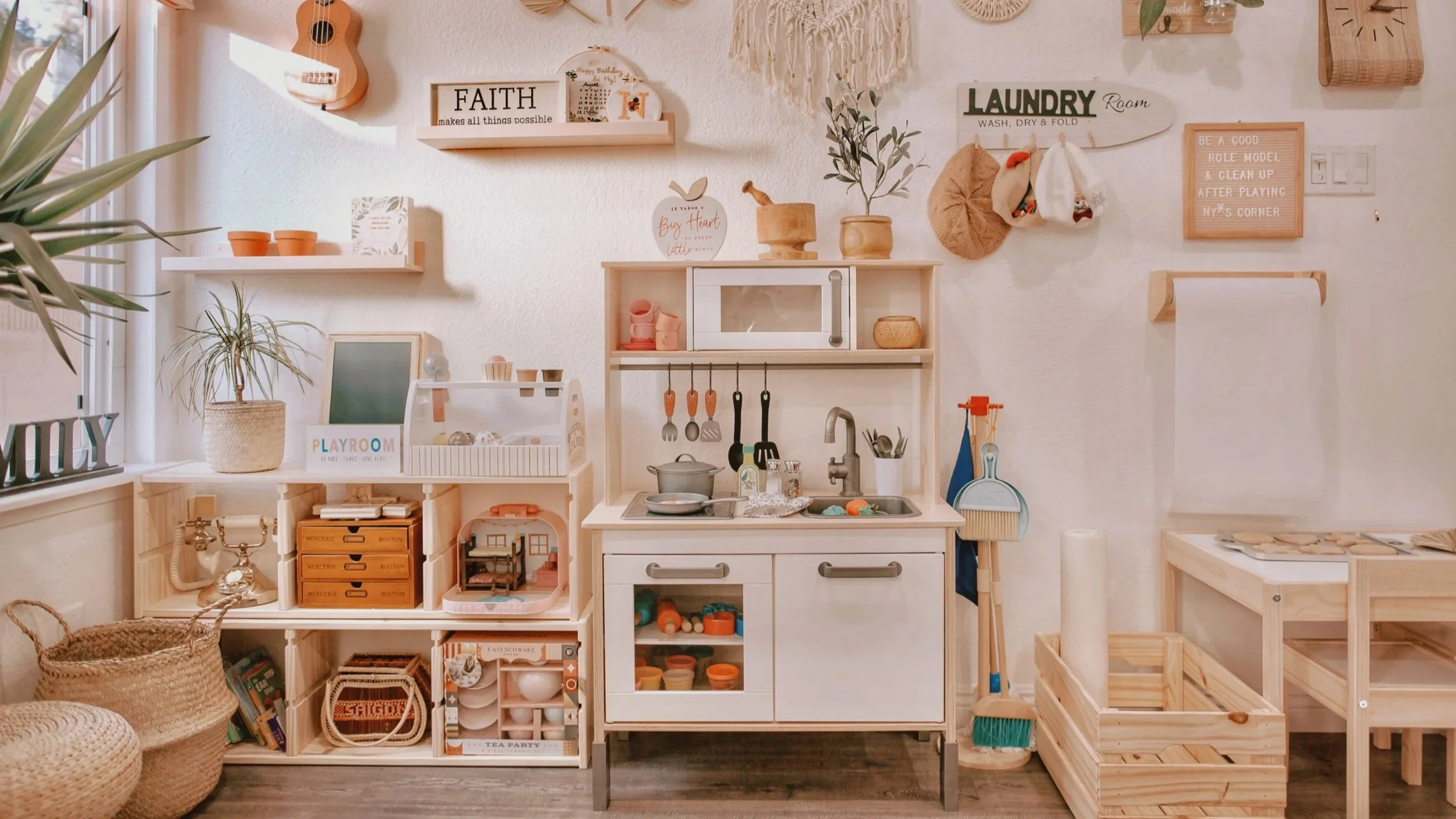
Young children developing independence through everyday activities, and caregivers seeking safe, functional furniture that fits naturally into their homes.

THE PROBLEM
Children's furniture often prioritizes basic function over thoughtful form and aesthetics. How might a stool support a child's independence while remaining visually cohesive within a shared living space?
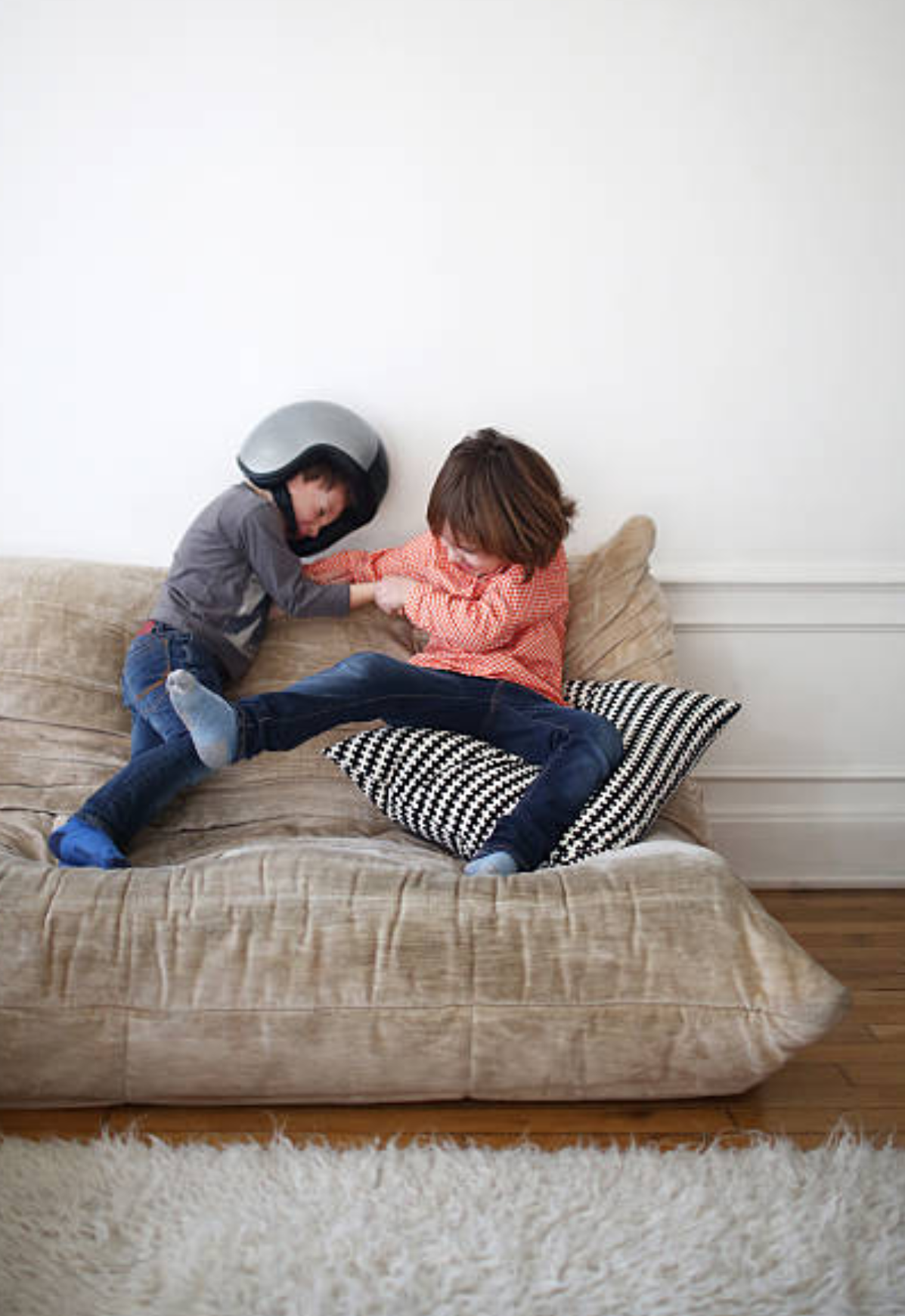
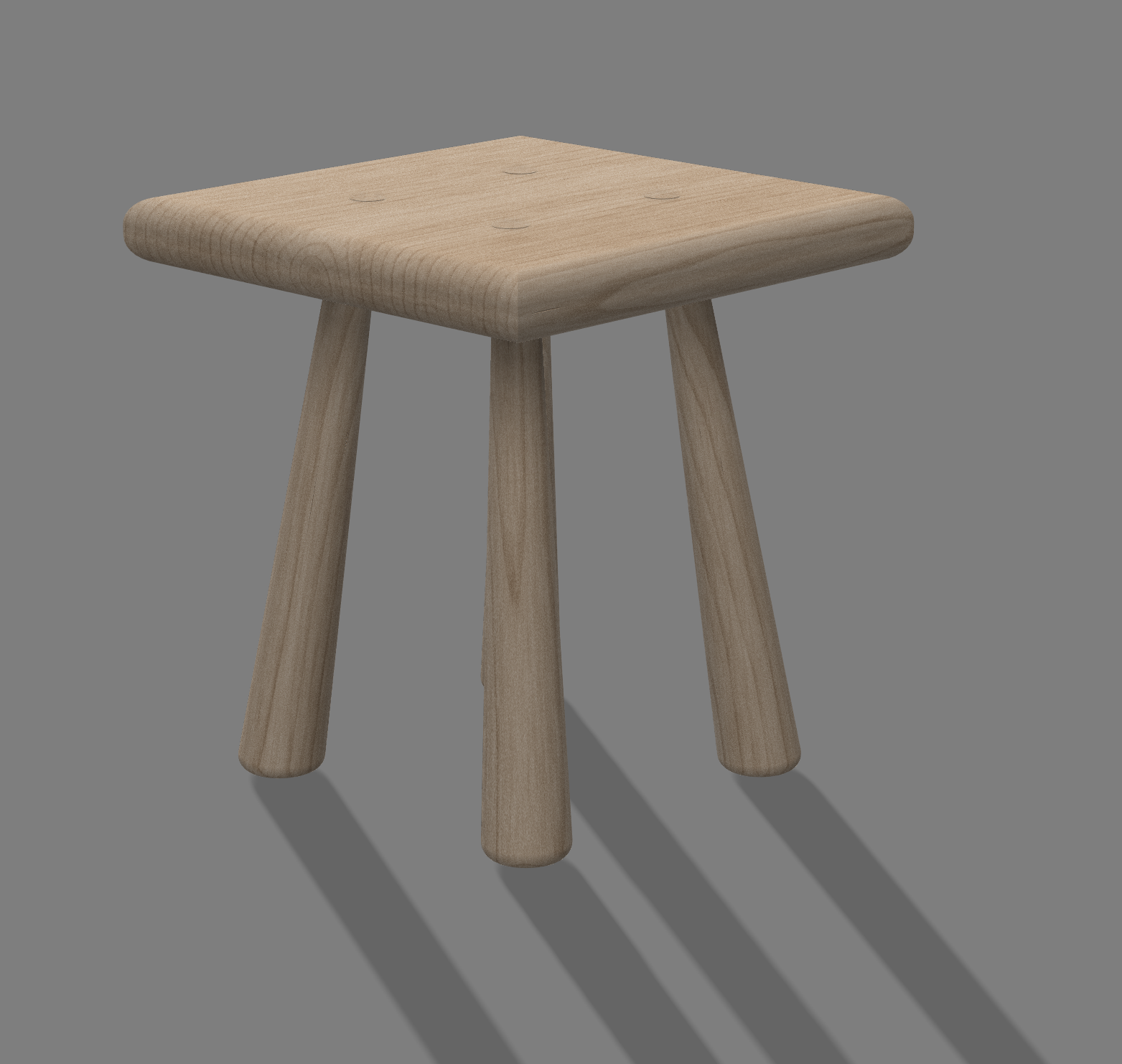
The Buddy Stool is a child-sized maple seat with soft edges, chunky legs, and a playful form. My nephews immediately fought over who got to sit on it first, inspiring the name Buddy Stool.
Furniture designed for little ones. Made to belong in every home.

Subject Furniture Type School Project Duration 5 weeks
BALANCING SAFTEY AND AESTHETICS
Safe without feeling childish
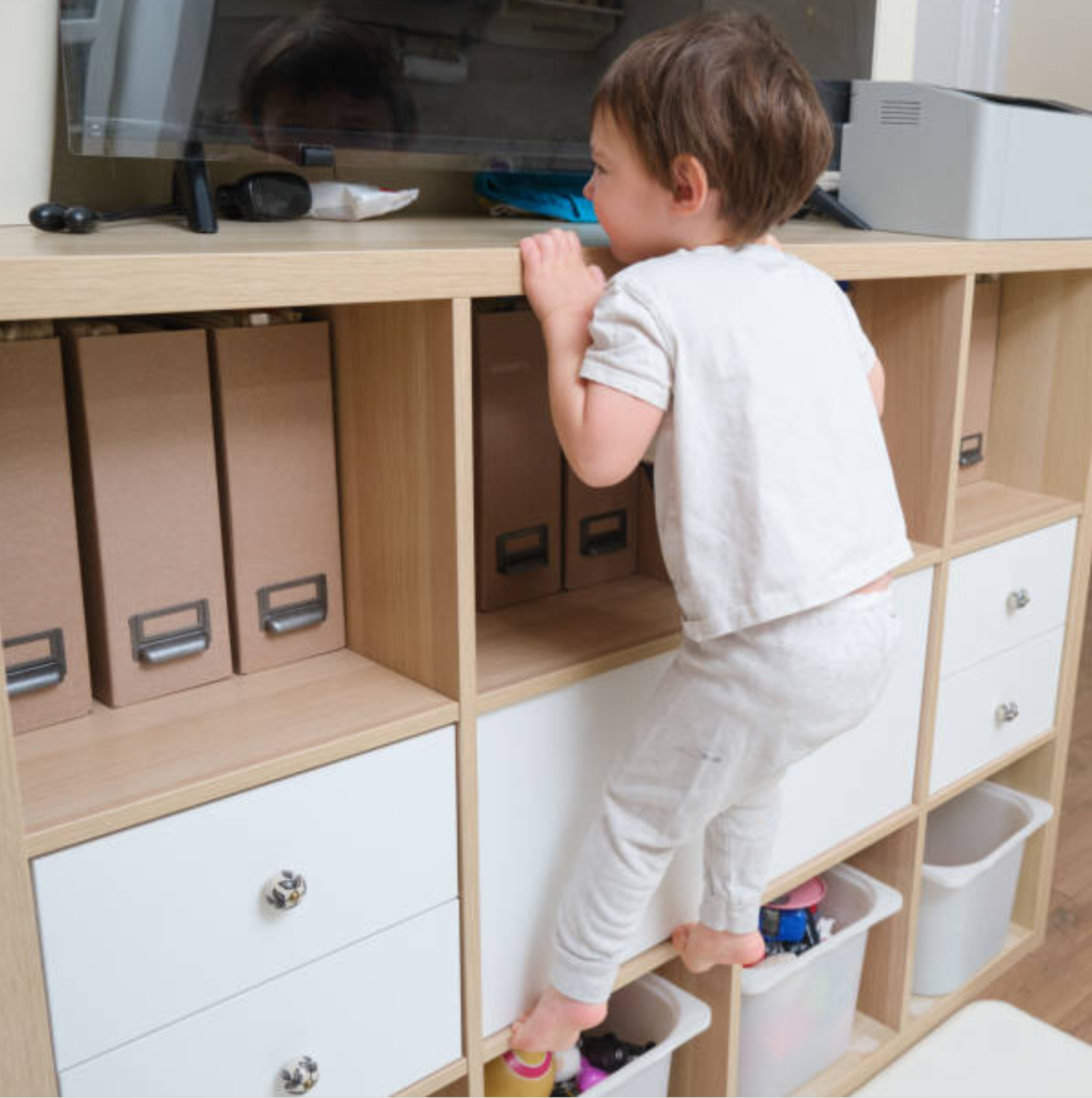
UNSAFE USE OF ADULT FURNITURE
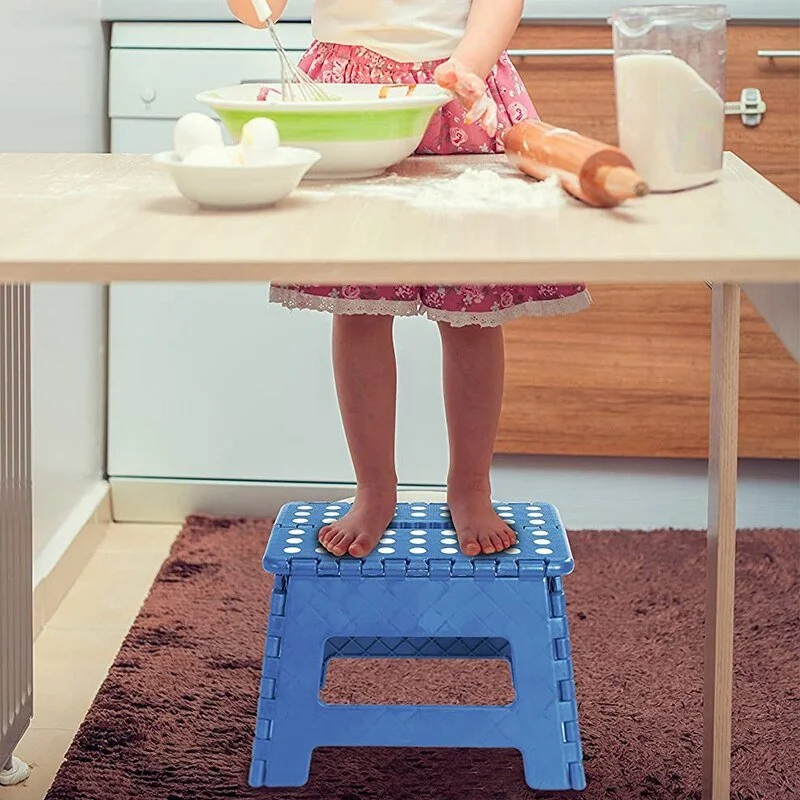
Children adapt to furniture not made for them
LIMITED CHILD-SIZED SEATING
An opportunity for thoughtful independence
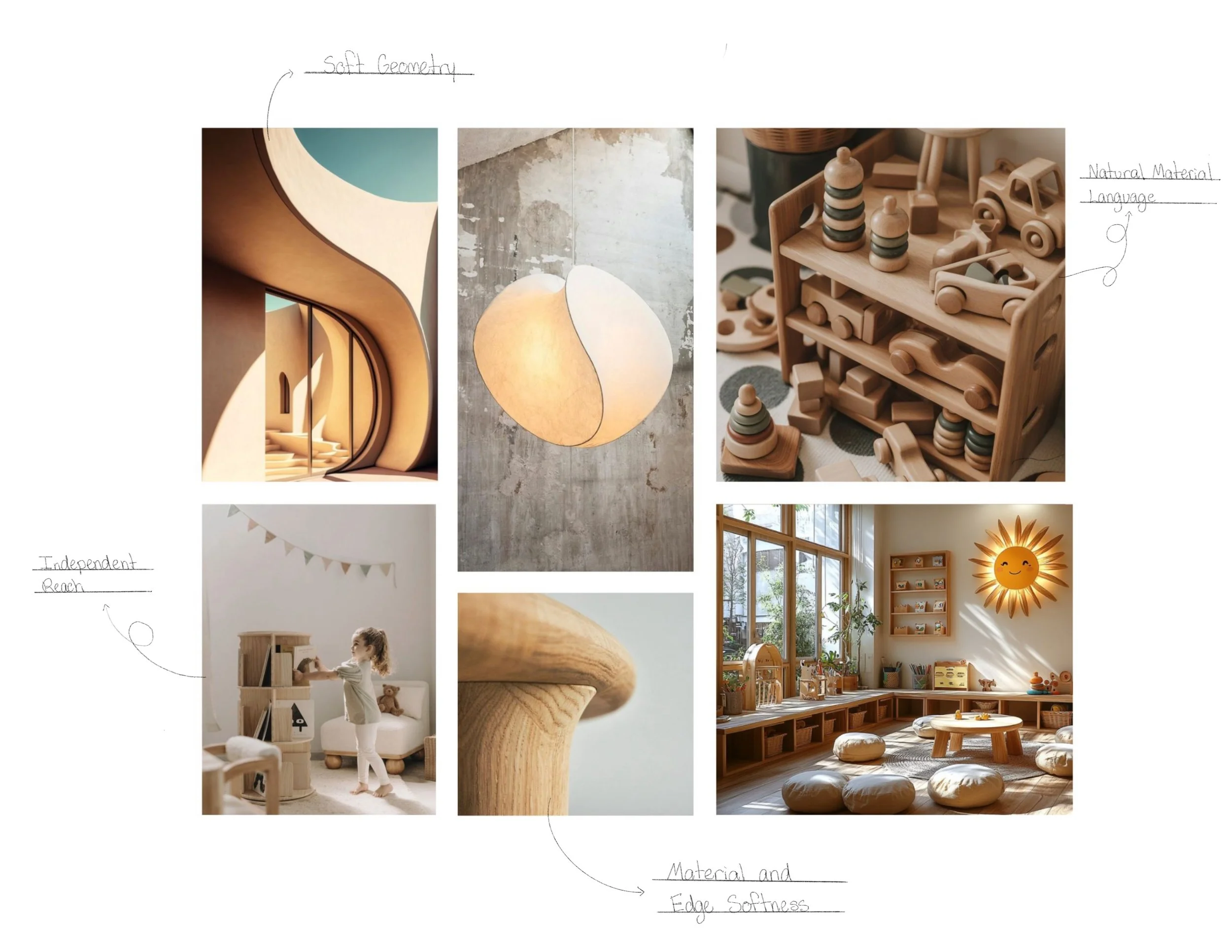
Design Language
Calm, Tactile, Child-Scale Forms
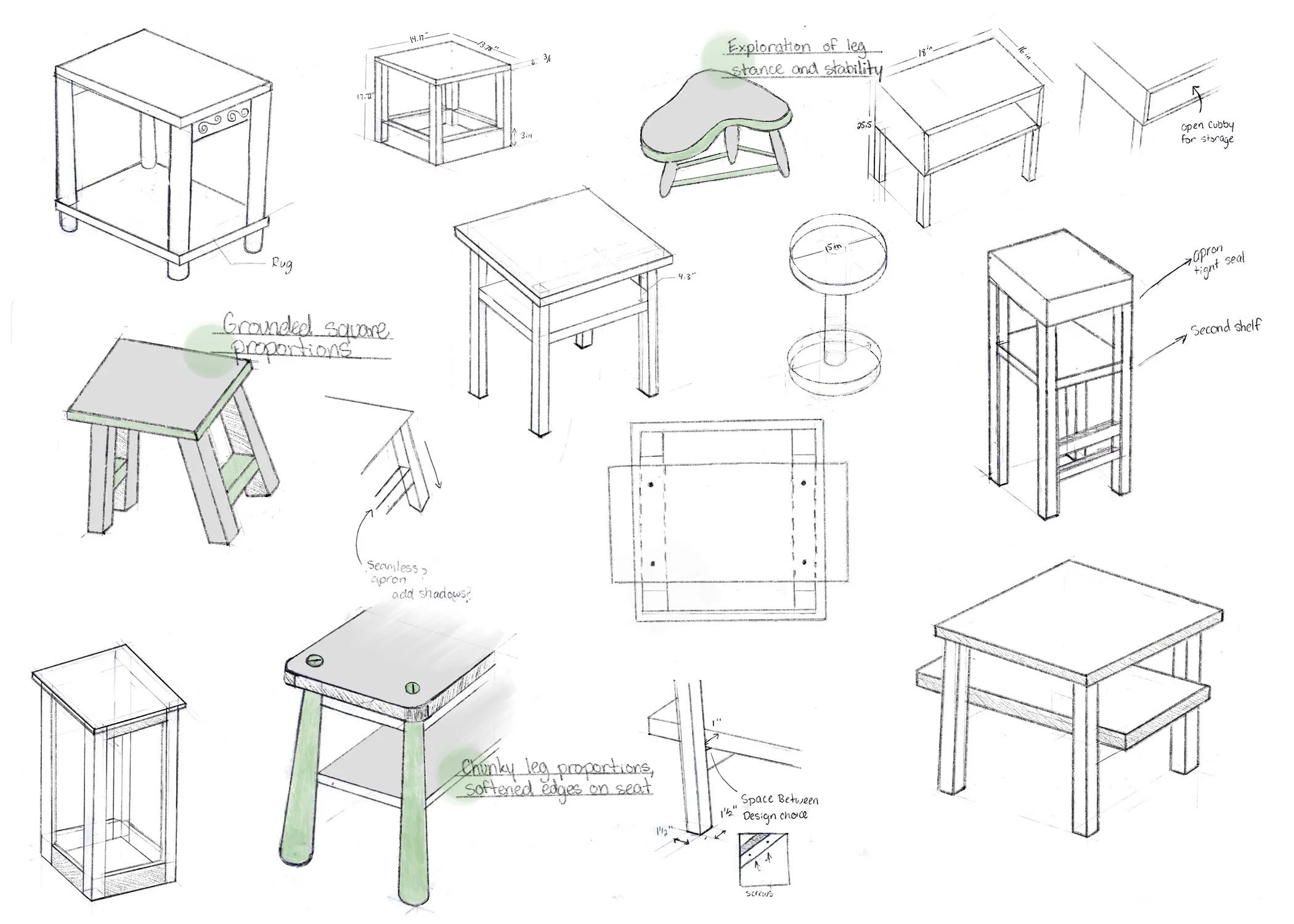
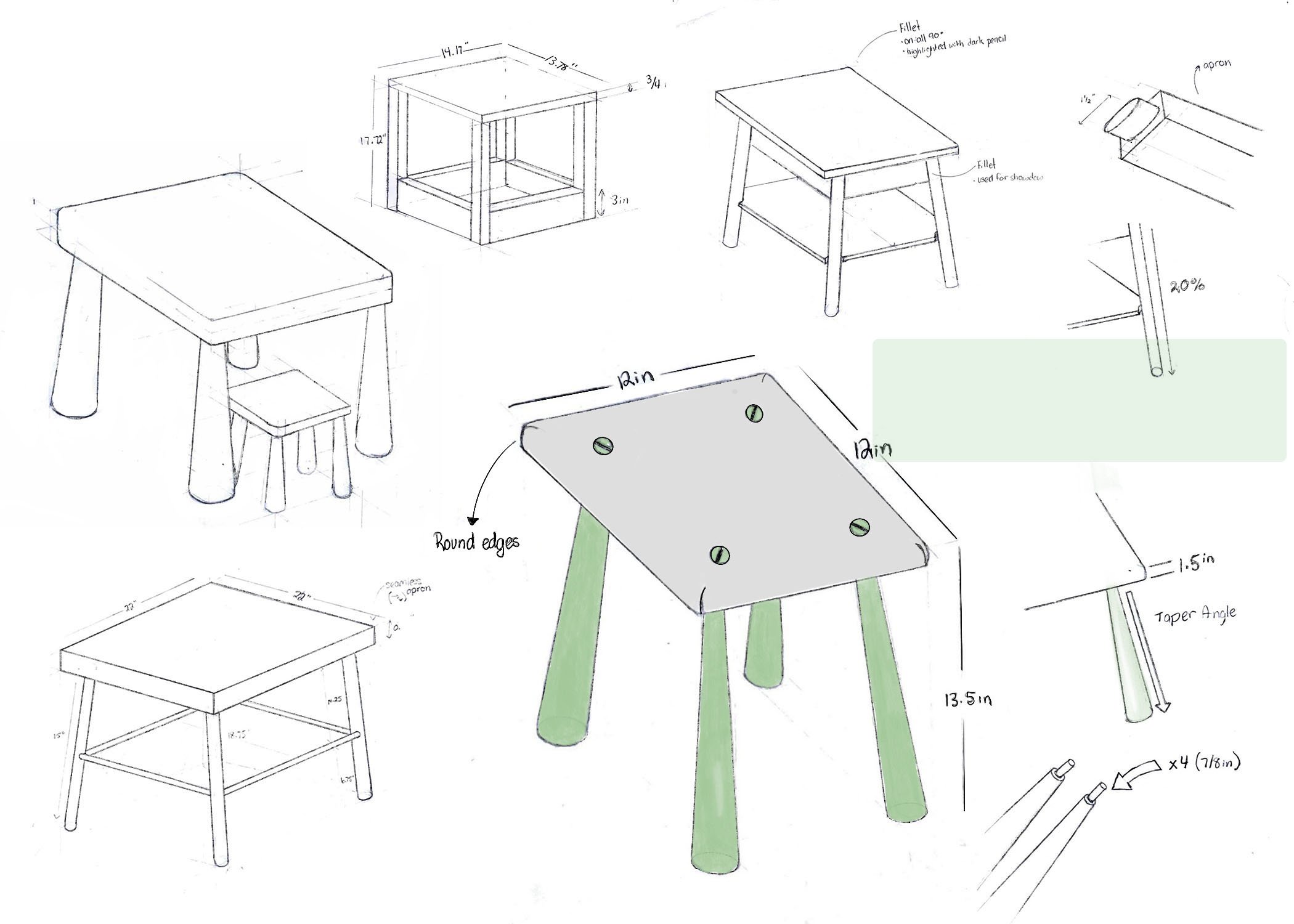
Design Refinement
Iterative sketches refining proportion, leg stance, and construction details.
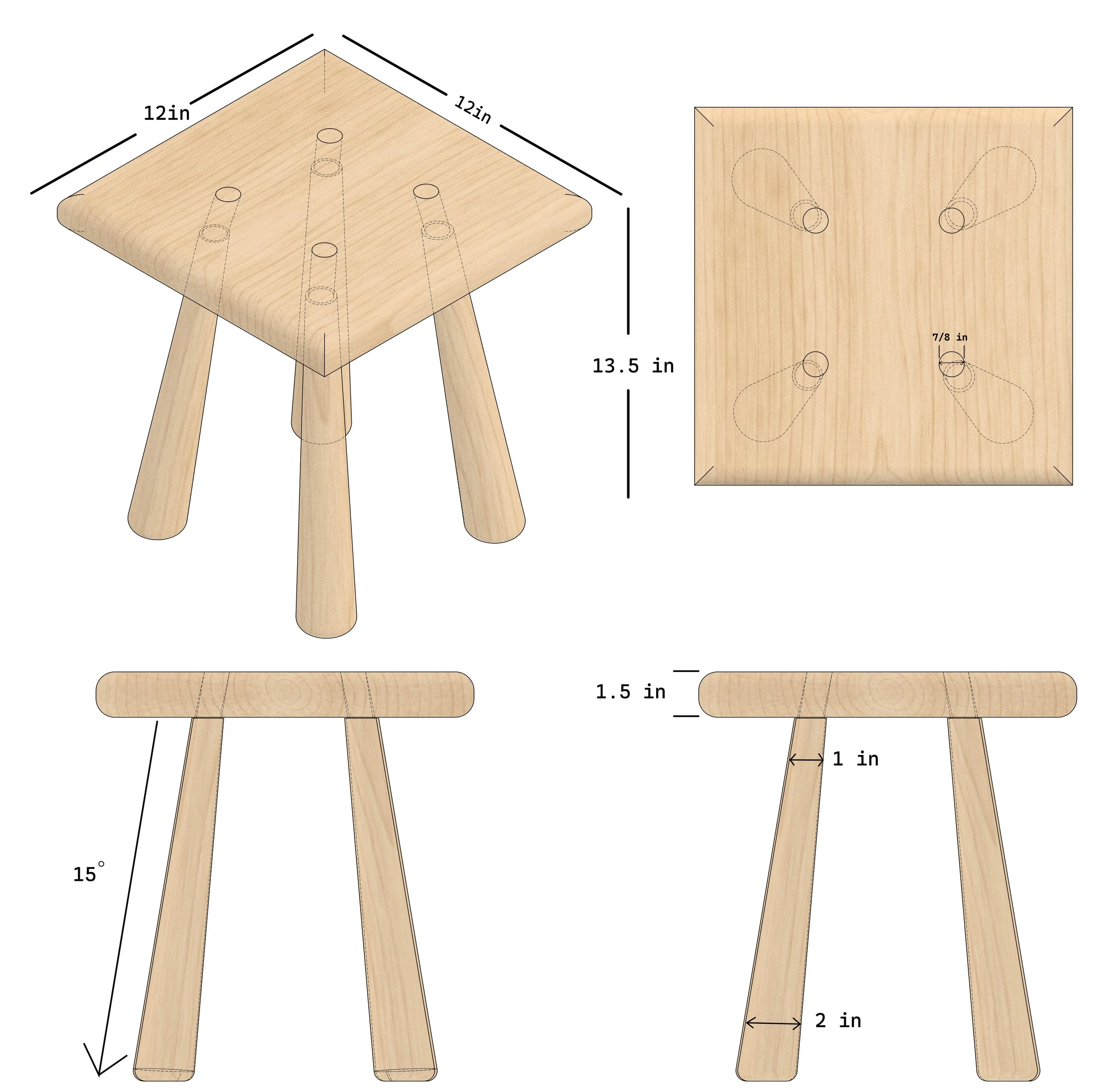
Final CAD Irritations
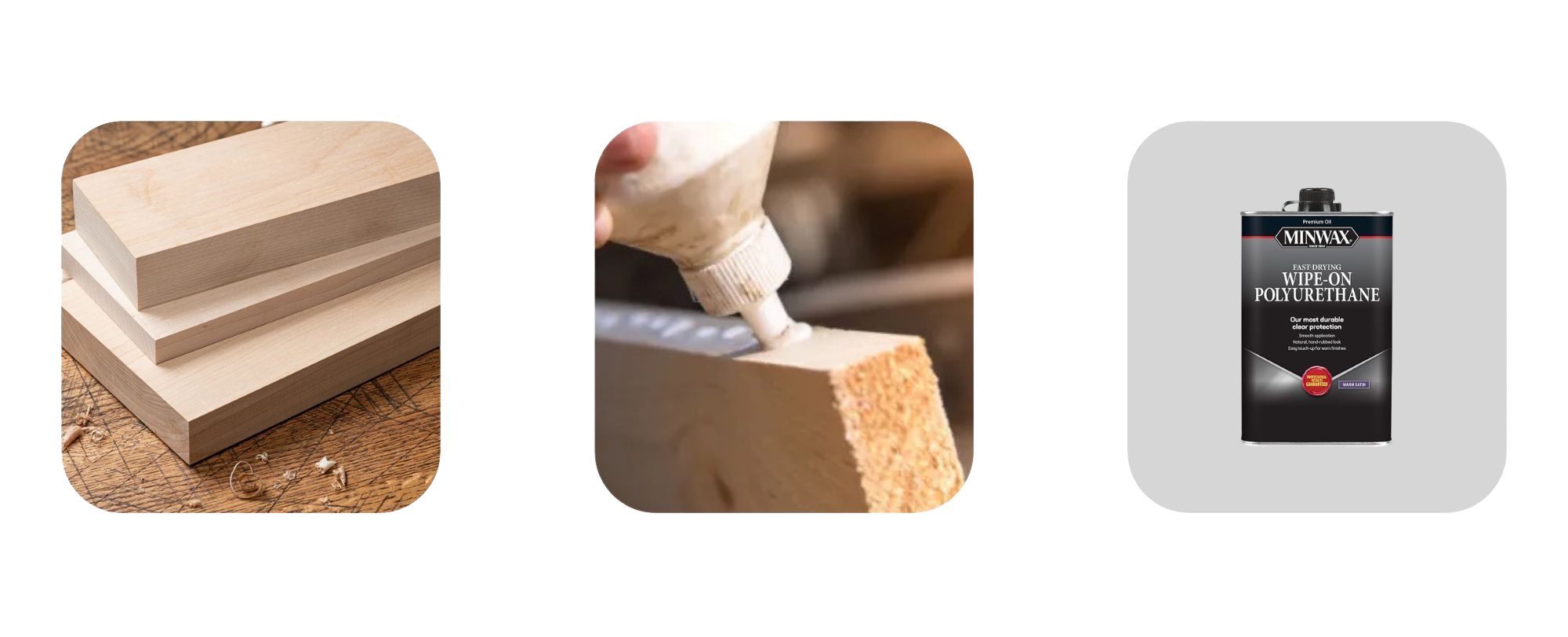
Final Materials
Hard Maple Wood
Wood Glue
Polyurethane
Durable construction → dowel joinery / maple
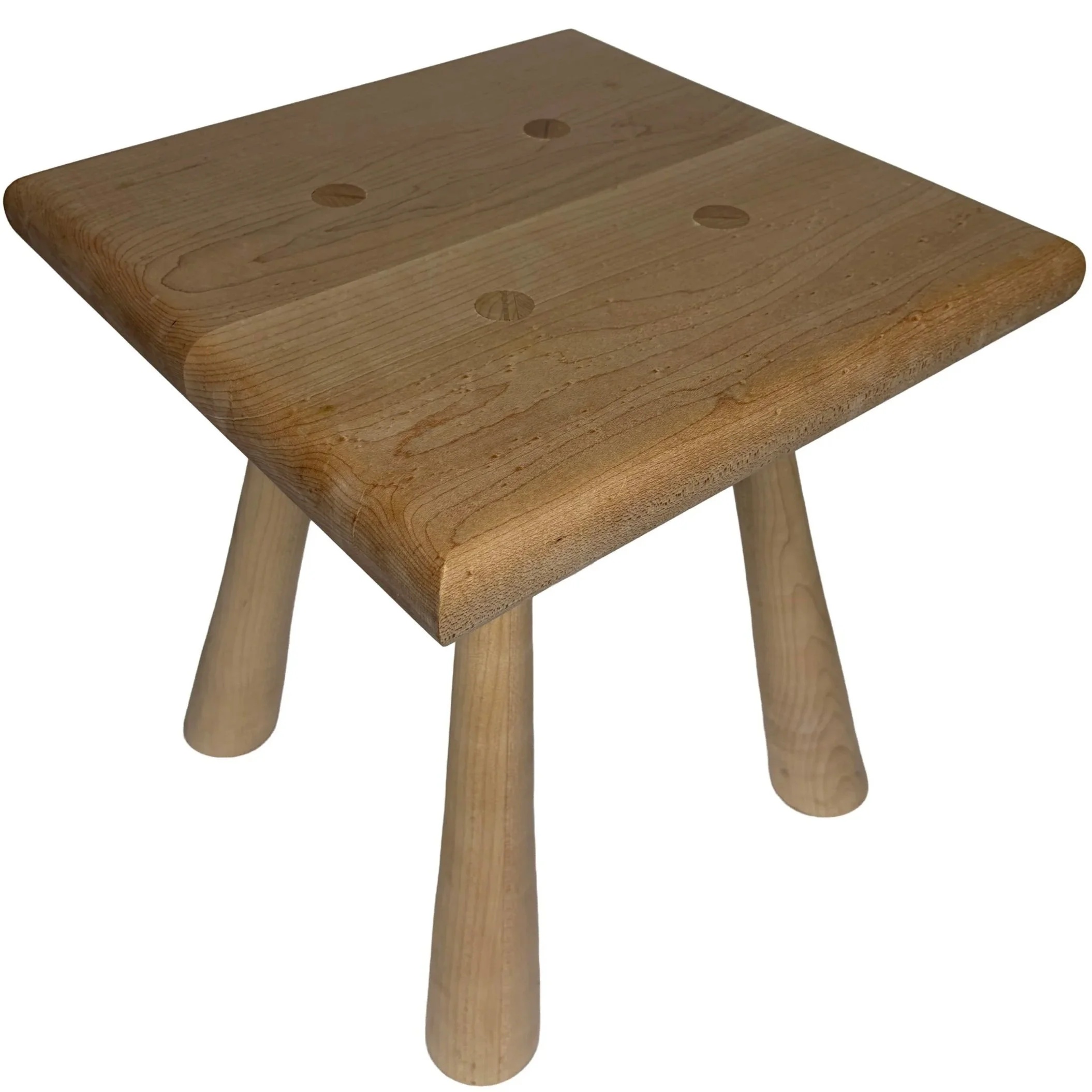
Approachable form → low height / soft corners
In Context
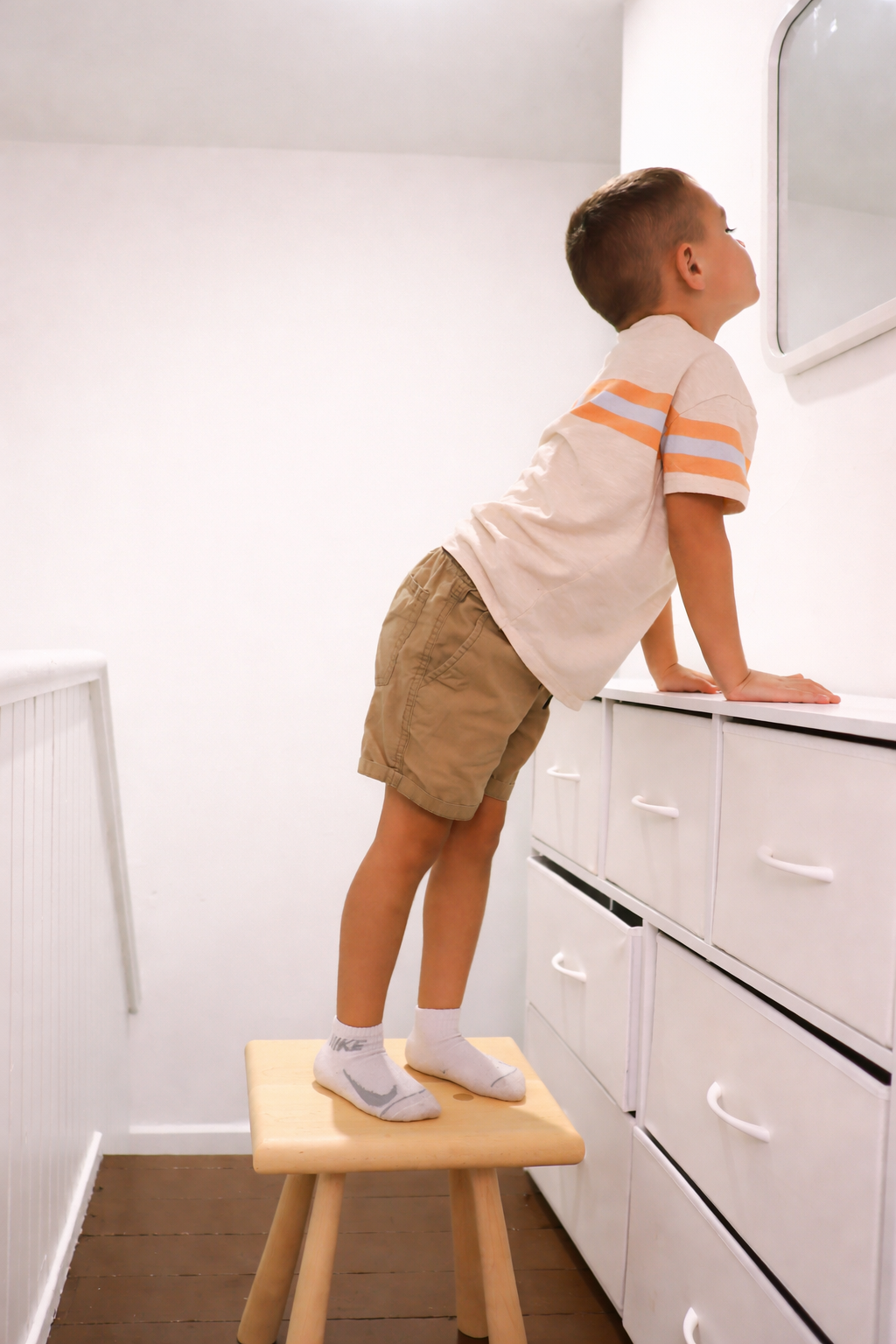
supports independent reach
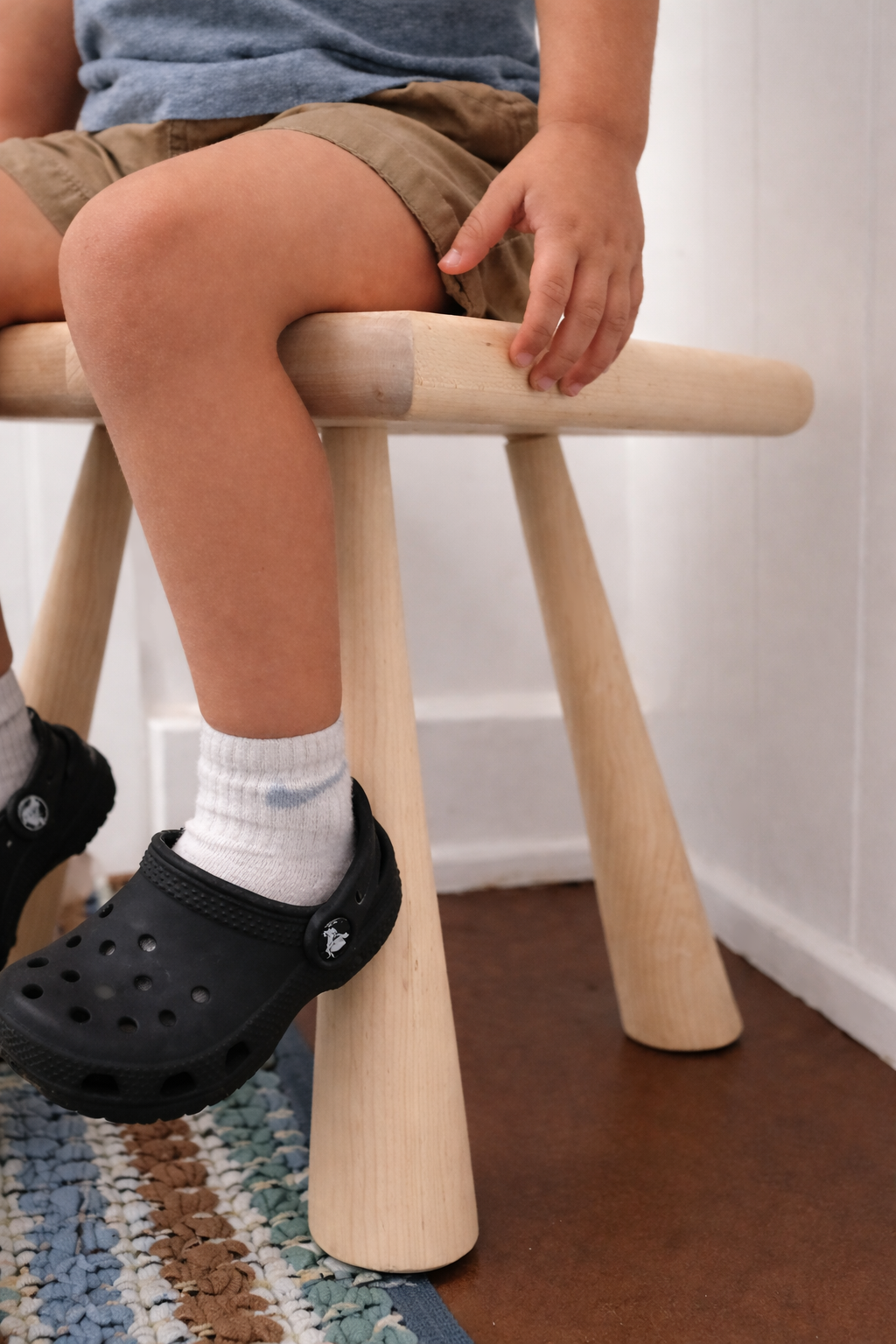
stable footing during movement
Soft geometry → rounded seat edges
Stable proportions → wide stance legs

inviting, child-scale seating
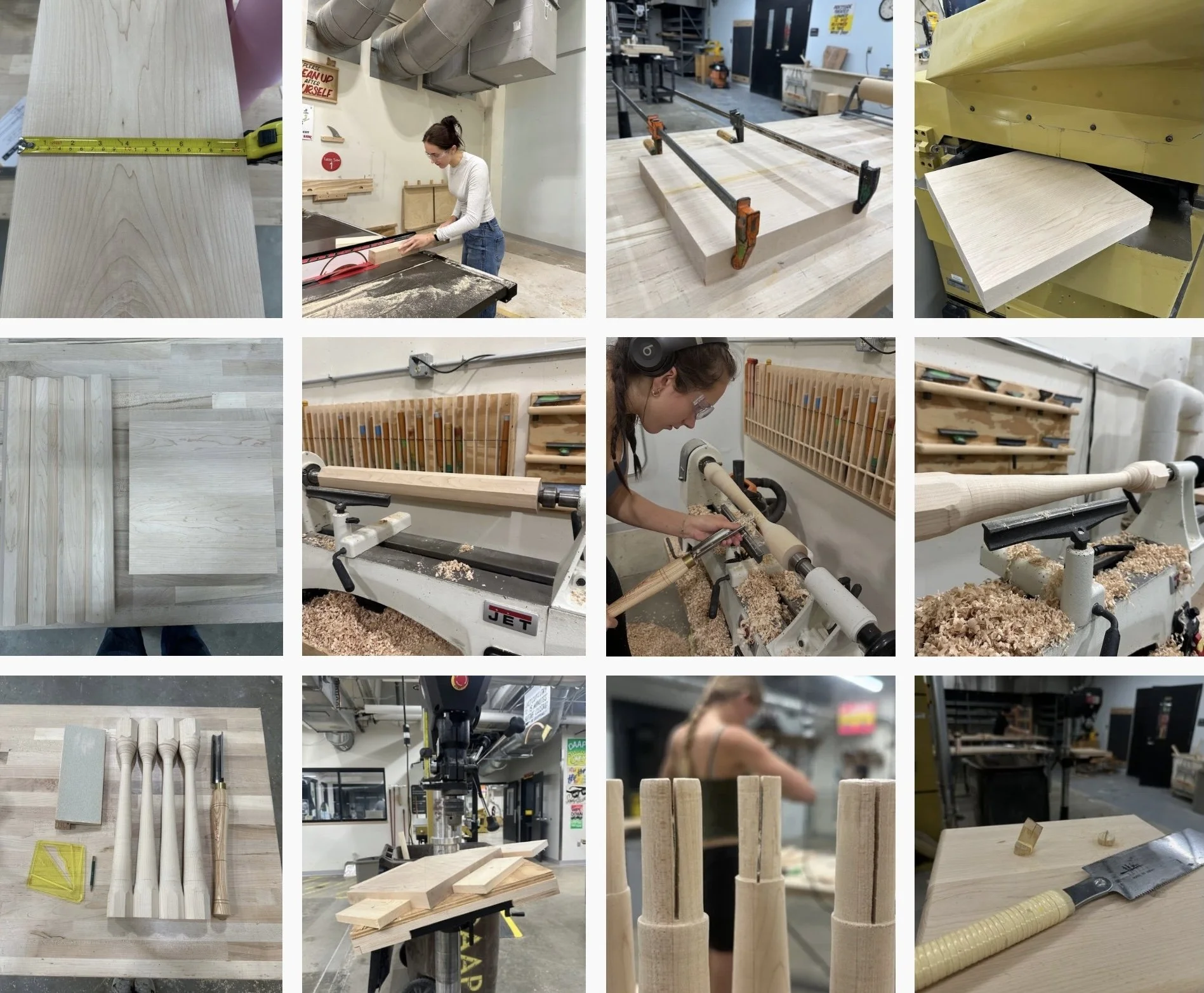
Building the Final
Joinery, planning, lathe turning, glue-ups, chiseling, sanding, and staining
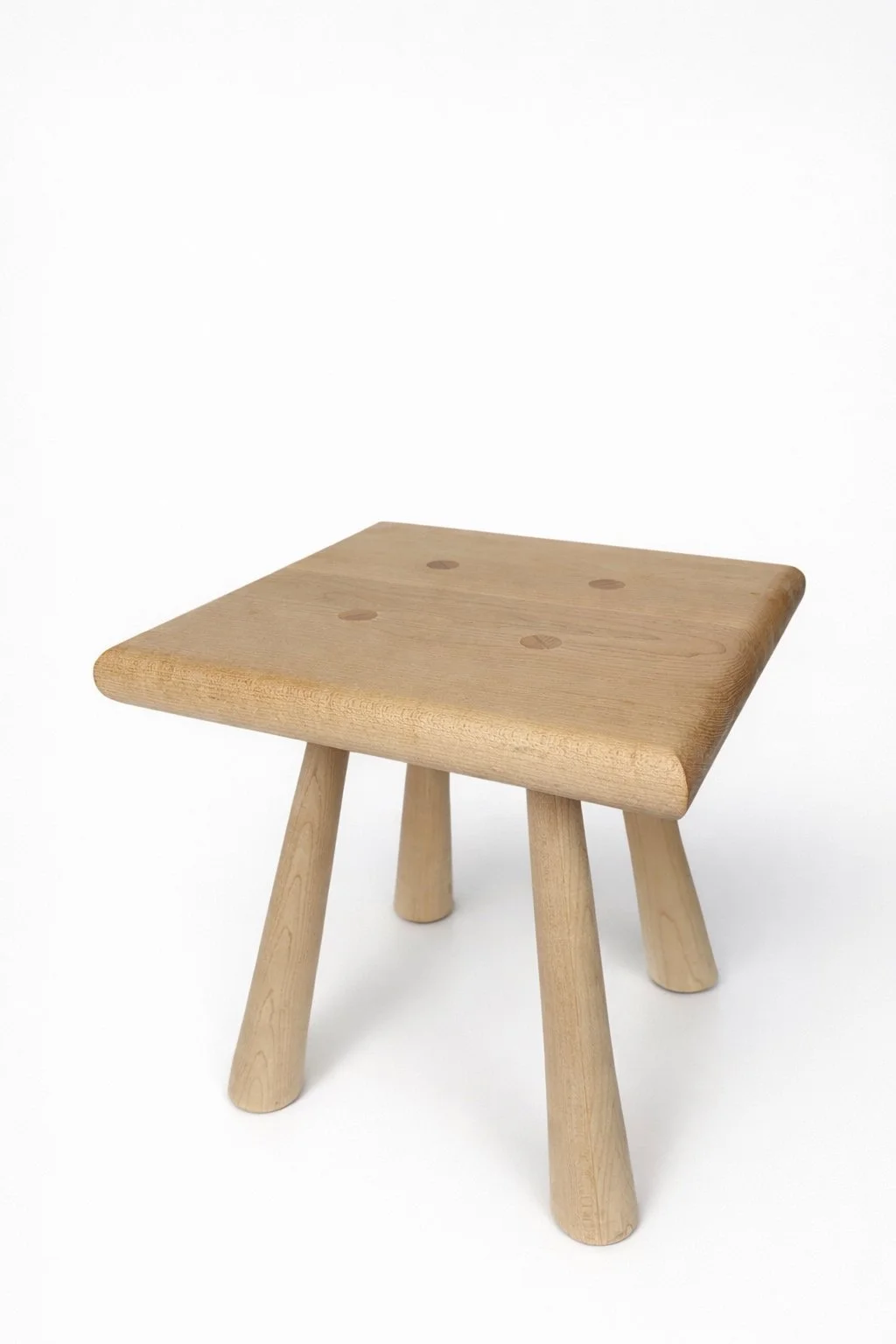
The Buddy Stool